Strong group results can hide weak practice-level performance. Dental group performance benchmarking makes the differences visible by comparing…
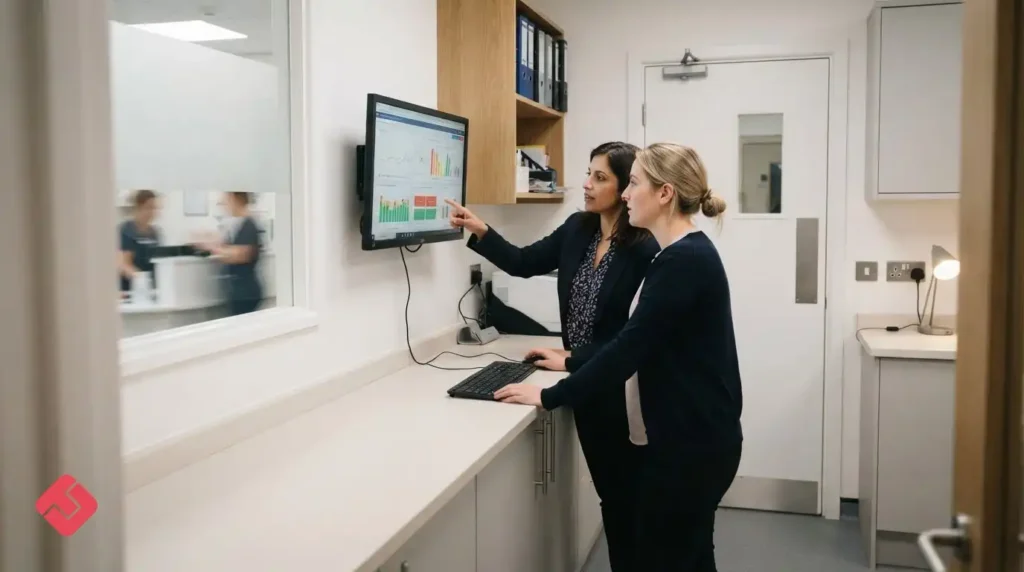

Strong group results can hide weak practice-level performance. Dental group performance benchmarking makes the differences visible by comparing…

Adding practices does not automatically make a dental group stronger. The toughest DSO growth challenges arise when reporting fails to show what is…

Strong chair utilisation isn’t the same as a full diary. Calculate booked or attended chair hours as a percentage of staffed chair hours; useful…

A hygiene chair may be the wrong place for a new-patient appointment. In one example, booking a one-hour appointment reduces daily hygiene capacity…

What if repeat lateness were managed as a scheduling pattern, not a front-desk confrontation? Knowing how to deal with consistently late patients…

What if your hygiene recall list could protect chair time instead of creating another queue of manual calls? Knowing how to manage a recall list for…

The average dental practice operates at just 65% to 75% of its true clinical capacity, losing up to £185,000 every year to late cancellations and…

If your monthly board report takes three days to compile, you aren’t managing a dental group; you’re reading a history book. Most DSOs operate in a…

Manual scheduling is no longer a viable strategy for a modern dental group. Whilst your front desk team works tirelessly to manage cancellations, the…

What if the 20% to 30% of daily earnings lost to idle chair time wasn’t an inevitable cost of doing business, but a solvable failure of foresight?…