TurnUp World No-show Prevention

Spot no-show risks early.

TurnUp World knows which appointments are at risk and reminds patients at the right time, so more of them turn up.

Up to 75%fewer no-shows
app.turnup.world/no-show
No-show prevention Active
AppointmentsVoice AI-callsAnalytics
All High risk Low risk Confirmed
AI pred.NameDateTreatmentLatest action
87%Alfie SterlingWed 08:30Scale & polishSMS delivered
81%Henry ValeWed 09:40Check-upMail opened
77%Grace HollowayWed 13:30FillingCall Center
72%Finn OakleyThu 08:50Hygiene visitMail delivered
68%Harry QuillThu 11:15Check-upSMS delivered
58%Max ElworthyFri 12:00EmergencyManual call
Sample practice and patient names.

What counts as a no-show, and what it leaves on the table

A no-show, DNA or FTA is an appointment the patient misses without cancelling in time; a late cancellation frees the slot too late to refill. Out of every 100 dental appointments, 4 are missed and 7 are cancelled late, and both cost the same: the chair, staff and clinical time are paid for either way.
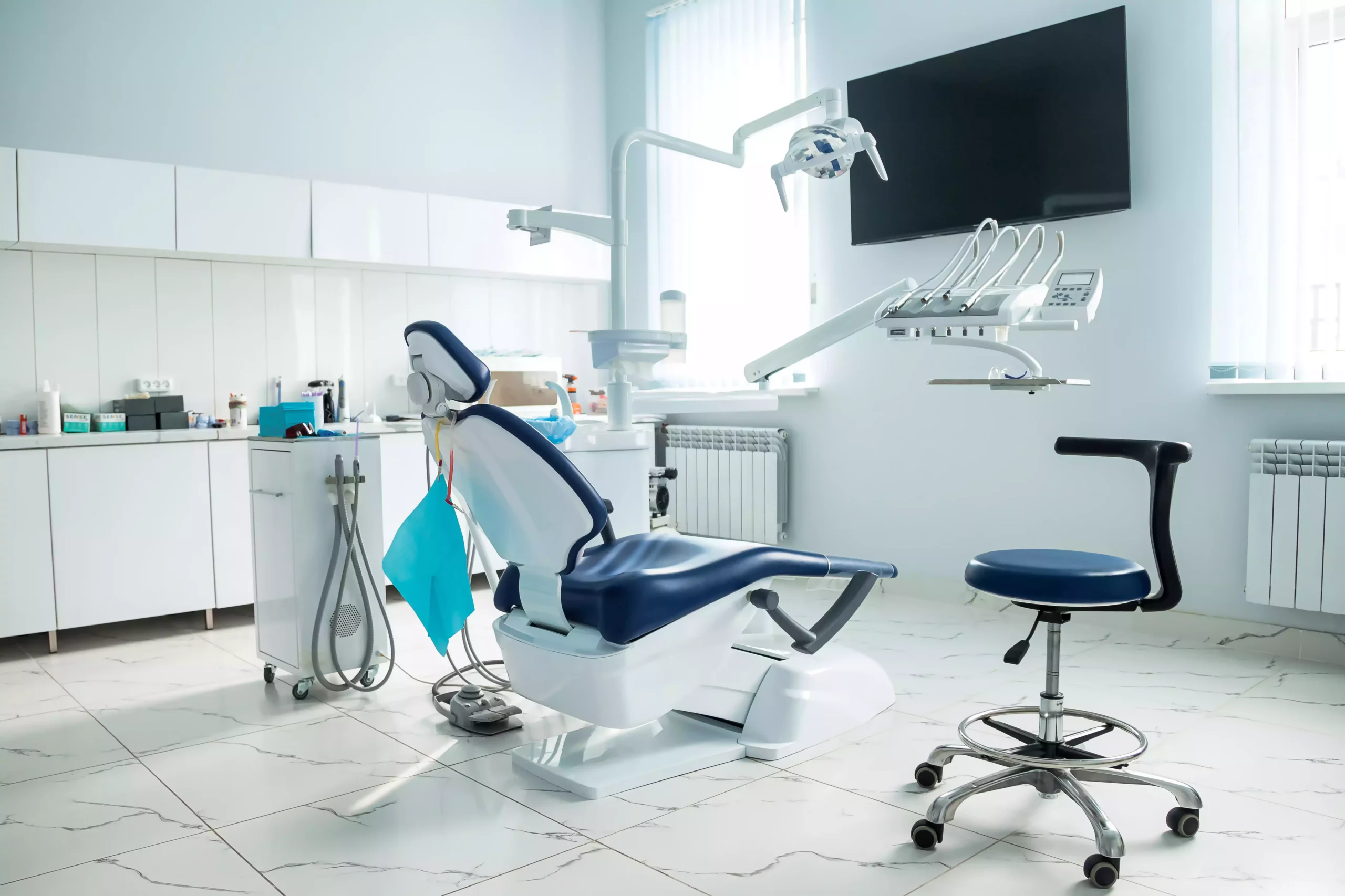
An empty dental surgery during a slot that was booked

An 8% no-show rate in a six-chair practice is roughly sixteen hours of empty surgery a week.

Worked example

A six-chair practice with a high no-show rate of 8%, a 30-minute average appointment and an average private appointment value of £95.

Appointments per week400
Not attended, at 8%32
Chair time left empty per week16h
Unclaimed revenue per week£3,040
Unclaimed revenue over a 46-week year£139,840

Unclaimed, not lost for good: part is recoverable by preventing the failure, part by refilling the slot. Replace the inputs with your own figures and the shape stays the same.

How it works

How No-show Prevention works

The model reads the data your practice software already holds and decides, per appointment, how much follow-up it needs.

  1. 1

    Predict

    Every appointment is scored for no-show risk 14 days before it takes place, from attendance history, lead time, treatment, slot time and reminder responses.

  2. 2

    Alert

    High-risk appointments are flagged in the dashboard with the reasons behind the score, 14 days before the date.

  3. 3

    Act

    Each risk band gets its own reminder sequence. Anything still unconfirmed 24 hours out gets an AI call that confirms or rebooks it.

  4. 4

    Review

    Released slots go to the last-minute queue, and no-show and occupancy trends update in Insights.

How a score is built

Every score comes with its reasons.

The model weighs signals your practice software already holds. The front desk sees which signals pushed an appointment up, so the conversation with the patient can be specific.

Signals behind this score

Weights shown are the contribution of each signal to this appointment's score, rounded. The model is retrained on your own practice data, so the ranking of signals differs between practices.

What the practice gets

Fewer empty chairs, and fewer phone calls to get there

Know which appointments are at risk 14 days in advance

TurnUp World scores every appointment 14 days ahead, so there is still time to act and to refill a released slot.

See the reasons behind every score

Each flag lists the signals that pushed it up, so a conversation with the patient can be specific.

Your team stops ringing round

Reminders, confirmations and the first call run on their own. The desk handles only the appointments that need a decision.

Reliable patients keep their peace

Low-risk patients get a single reminder, so the patients who always turn up are not chased and your reminders keep their effect on the patients who need them.

Cancellations turn into filled slots

An early cancellation goes straight to the last-minute queue, which then offers it to matching patients.

A no-show rate you can track

Attendance trends by week, clinician and treatment sit in Insights, measured against one definition.

From prediction to a full chair

Follow one high-risk appointment

A prediction is only worth something if it triggers the right move. Click through one flagged appointment, from the first risk score to a chair that stays full.

Instead of a penalty, patients who cancel early get a thank-you. An early cancellation is the outcome you want: it turns a failed appointment into an open slot the last-minute queue can still fill.

"Within just two months of using TurnUp World, our no-show rate dropped from 4% to 1%."

KDentist from KortrijkTurnUp World customer
Read customer stories

Questions about No-show Prevention

How does TurnUp World predict no-shows?

TurnUp World scores every appointment using signals your practice software already holds: attendance and cancellation history, booking lead time, treatment type and length, slot day and time, distance to the practice and how the patient answered earlier reminders. No clinical notes are used. The model is retrained on your own data, so it sharpens over the first months.

Does it work with our PMS?

TurnUp World connects to Dentally, DentAdmin, Exquise, Progenda and System for Dentists and reads the diary in real time. Where your PMS supports it, confirmations and rebookings are written straight back, without retyping. Your team keeps working in the practice software they already know, with no change to how appointments are booked.

How much notice do we get?

Every appointment is scored 14 days before it takes place, so a high-risk visit is flagged two weeks ahead. The reminder sequence then runs at set points before the appointment, with an AI call 24 hours out for anything still unconfirmed. That leaves enough time to offer a released slot to another patient.

Does it add work for the front desk?

It takes work away. Reminders, confirmations and the first round of calls run automatically, and the AI call confirms, cancels or rebooks so your team can stay with the patients in front of them. The desk only sees the appointments that still need a human decision, with the reasons behind each risk score shown next to the patient.

Will patients get more messages than before?

On average fewer. Low-risk patients receive a single reminder instead of a full sequence, and extra contact is concentrated on the appointments most likely to fail. Patients who cancel early are thanked, because an early cancellation gives the last-minute queue time to offer the slot to someone who wants it.

Can we keep our own reminder wording and timings?

Yes. Timings, channels and message wording are set per practice in the flow editor, separately for each risk band and treatment type. The default sequence described on this page is a starting point. You can change it at any time, and changes apply to the next appointments that are scored.

See your own diary scored.

Bring one week of appointments to the call. We show which ones the model would have flagged and what the sequence would have done about them.