Spot no-show risks early.
TurnUp knows which appointments are at risk and reminds patients at the right time, so more of them turn up.
What counts as a no-show, and what it leaves on the table
A no-show, DNA or FTA is an appointment the patient misses without cancelling in time; a late cancellation frees the slot too late to refill. Out of every 100 dental appointments, 4 are missed and 7 are cancelled late, and both cost the same: the chair, staff and clinical time are paid for either way.
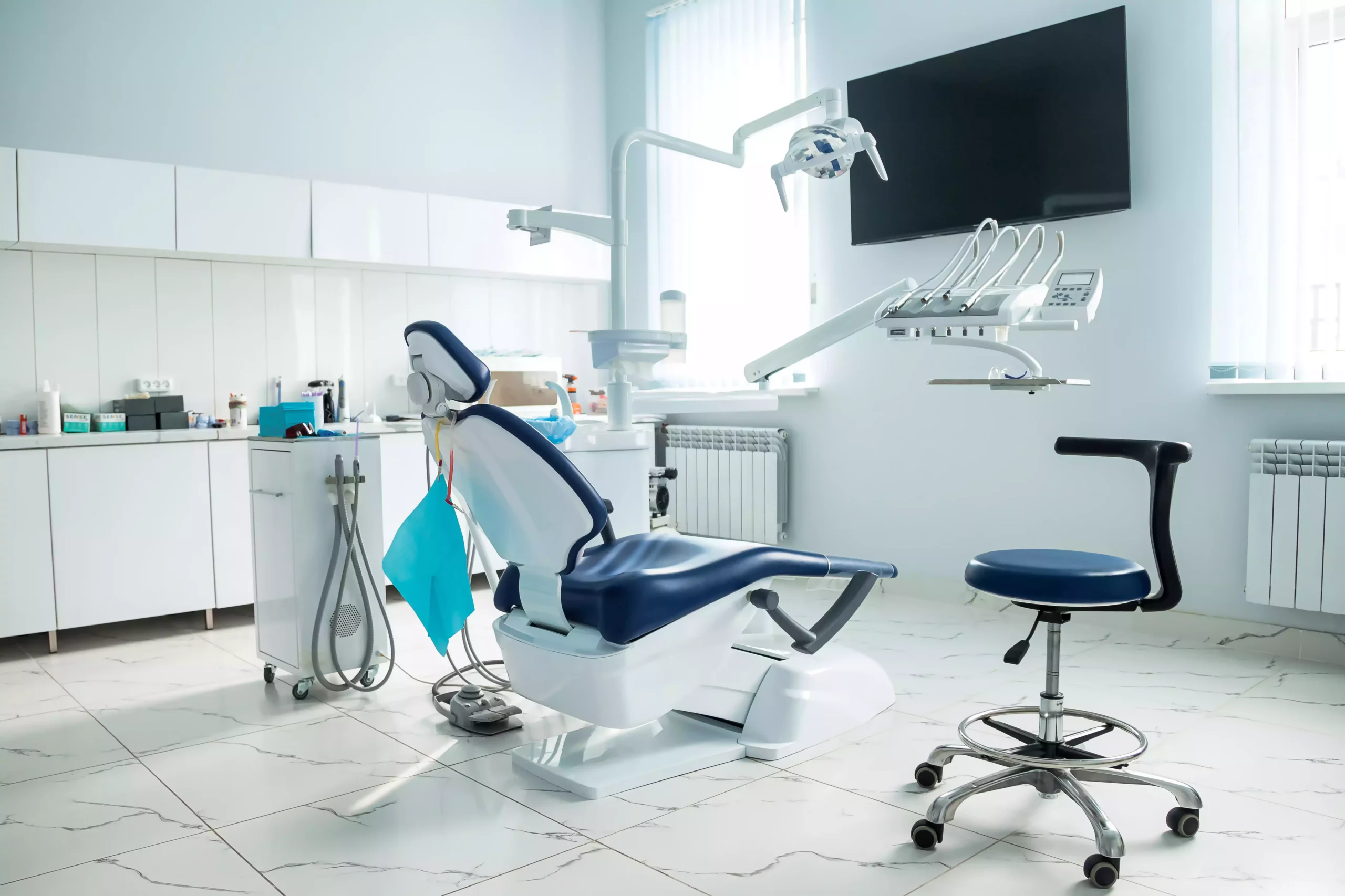
An 8% no-show rate in a six-chair practice is roughly sixteen hours of empty surgery a week.
Worked example
A six-chair practice with a high no-show rate of 8%, a 30-minute average appointment and an average private appointment value of £95.
Unclaimed, not lost for good: part is recoverable by preventing the failure, part by refilling the slot. Replace the inputs with your own figures and the shape stays the same.
How No-show Prevention works
The model reads the data your practice software already holds and decides, per appointment, how much follow-up it needs.
- 1
Predict
TurnUp scores every appointment for no-show risk 14 days before it takes place, based on attendance history, lead time, treatment, slot time and reminder responses.
- 2
Alert
The dashboard then flags high-risk appointments with the reasons behind the score, 14 days before the date.
- 3
Act
Each risk band gets its own reminder sequence. Anything still unconfirmed 24 hours out gets an AI call that confirms or rebooks it.
- 4
Review
Released slots go to the last-minute queue, and no-show and occupancy trends update in Insights.
Every score comes with its reasons.
The model weighs signals your practice software already holds. The front desk sees which signals pushed an appointment up, so the conversation with the patient can be specific.
Signals behind this score
Weights shown are the contribution of each signal to this appointment's score, rounded. Because the model learns from your own practice data, the ranking of signals differs between practices.
Fewer empty chairs, and fewer phone calls to get there
Know which appointments are at risk 14 days in advance
TurnUp scores every appointment 14 days ahead, so there is still time to act and to refill a released slot.
See the reasons behind every score
Each flag lists the signals that pushed it up, so a conversation with the patient can be specific.
Your team stops ringing round
Reminders, confirmations and the first call run on their own. The desk handles only the appointments that need a decision.
Reliable patients keep their peace
Low-risk patients get a single reminder, so the patients who always turn up are not chased and your reminders keep their effect on the patients who need them.
Cancellations turn into filled slots
An early cancellation goes straight to the last-minute queue, which then offers it to matching patients.
A no-show rate you can track
Attendance trends by week, clinician and treatment sit in Insights, measured against one definition.
Follow one high-risk appointment
A prediction is only worth something if it triggers the right move. Click through one flagged appointment, from the first risk score to a chair that stays full.
Instead of a penalty, patients who cancel early get a thank-you. An early cancellation is the outcome you want: it turns a failed appointment into an open slot the last-minute queue can still fill.
"Within just two months of using TurnUp, our no-show rate dropped from 4% to 1%."
Common questions
01How does TurnUp predict no-shows?
02Does it work with our PMS?
03How much notice do we get?
04Does it add work for the front desk?
05Will patients get more messages than before?
06Can we keep our own reminder wording and timings?
See how no-shows are caught before the day.
First, we walk you through how TurnUp scores every appointment for risk, which follow-up each score triggers and how reminders and calls reach your patients. Then we talk through how that fits the way your practice works.
